Calculate a labelled AV energy allowance
Use declared power, time and tariff assumptions without presenting the result as a measured bill or a current UK energy price.
Updated:

State what the energy estimate is intended to include
An energy allowance should identify the equipment, operating condition and use scenario being modelled. A manufacturer’s rated or labelled figure and a measurement under your own conditions are different evidence types. Keep the source of the power input explicit. Do not use an archived television photograph as though it supplies the operating watts of a current candidate.
A television-only estimate also excludes other equipment unless it is deliberately added. Keep a soundbar, source box or projector in separate records where relevant. The purpose is a transparent calculation, not a claim that we measured a complete household system or can predict the electricity bill.
Calculate the hypothetical case with units
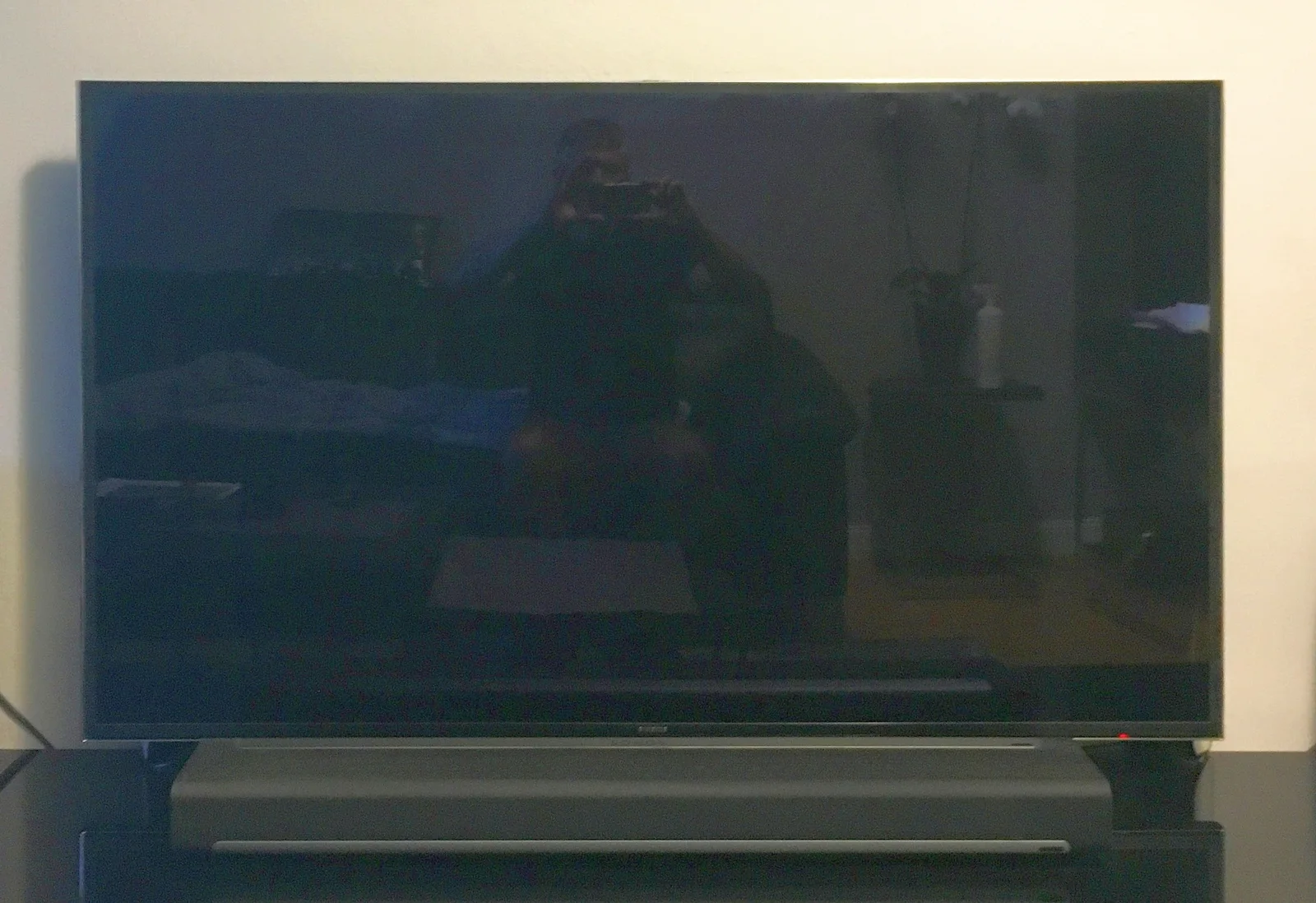
Assume a purely hypothetical 80 W operating input,4 hours of use per day and 365 days. Multiplying and dividing by 1000 gives 116.8 kWh. At an invented tariff assumption of £0.25 per kWh, the arithmetic allowance is £29.20. None of these inputs is a measured result for the photographed set or a statement of the current UK energy price.
The conversion separates watts, operating time and energy. Do not treat a power number as though it were already an annual cost. If the input values change, recalculate the result rather than preserving a reassuring total. The example does not include every standby, source or audio-device condition.
Keep modes and manufacturer information attached to the input
The relevant power can depend on the exact equipment and condition being described. Read the actual manufacturer’s energy or power information with its scope rather than selecting one convenient number and applying it to every mode. LG’s UK product information is a model-specific starting point, not a specification for the older Samsung set in the archive.
Likewise, a projector has its own operating information and should not inherit the television’s assumed 80 W. The official Epson guide belongs to its named models and conditions. Preserve those distinctions if comparing alternatives, and label a value hypothetical when the actual evidence needed for the scenario is unavailable.
LG UK OLED55C44LA dimensions and connections ? Epson EH-TW7100/EH-TW7000 official user guide ?
Do not merge separate devices or time periods silently
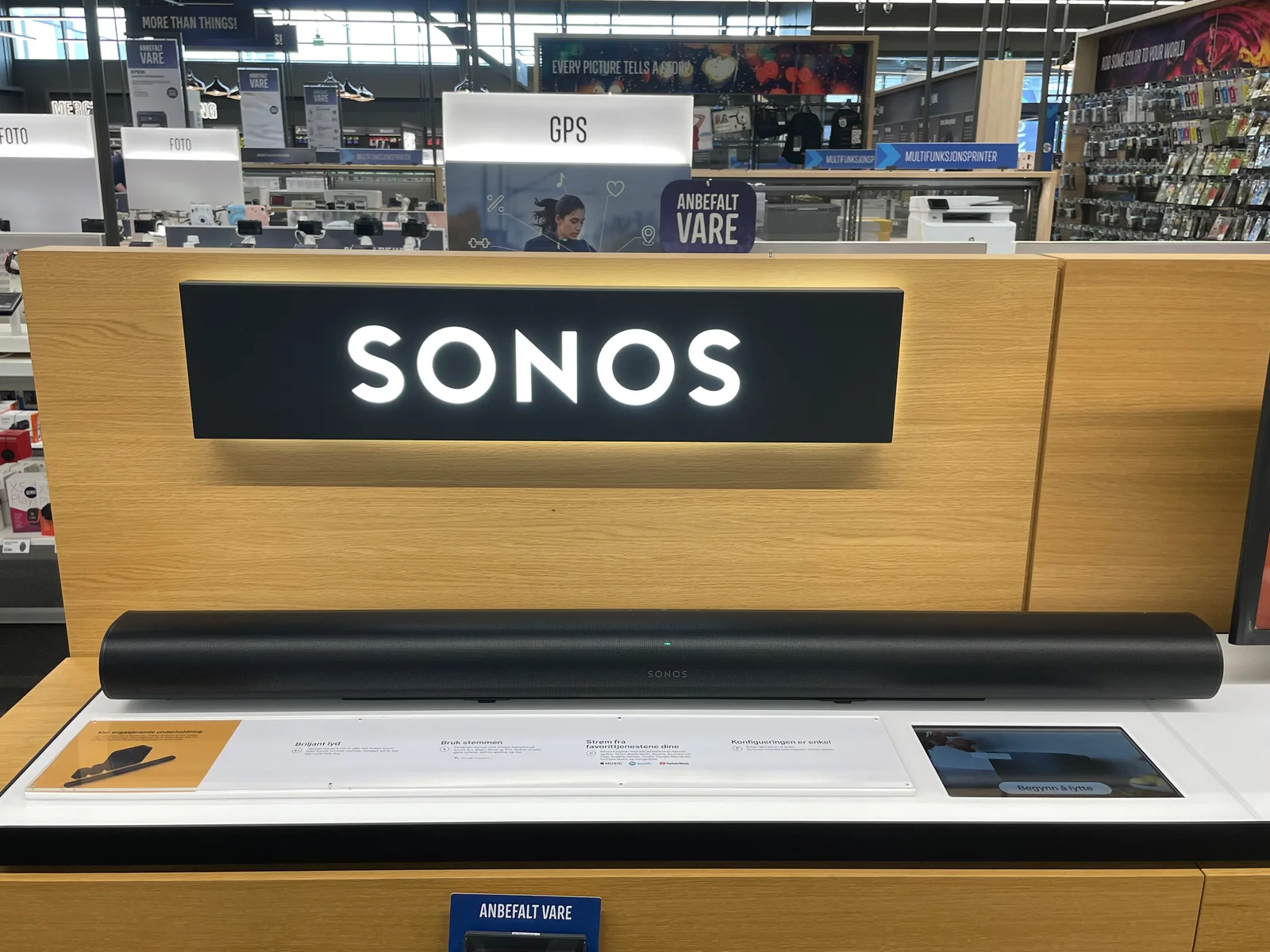
If a separate soundbar operates for different periods, it needs its own declared input. The curved-bar photograph illustrates another physical device, not a measured energy result or a power specification for Beam Gen 2. A system total is meaningful only when the included equipment and usage scope are stated consistently.
A remote-control image cannot show whether equipment is in the mode assumed by a calculation. Keep operating and other relevant states distinct when appropriate. Avoid presenting one favourable scenario as a guaranteed bill or comparing alternatives with different included devices and usage periods without explaining that difference.
Save the assumptions rather than promising savings
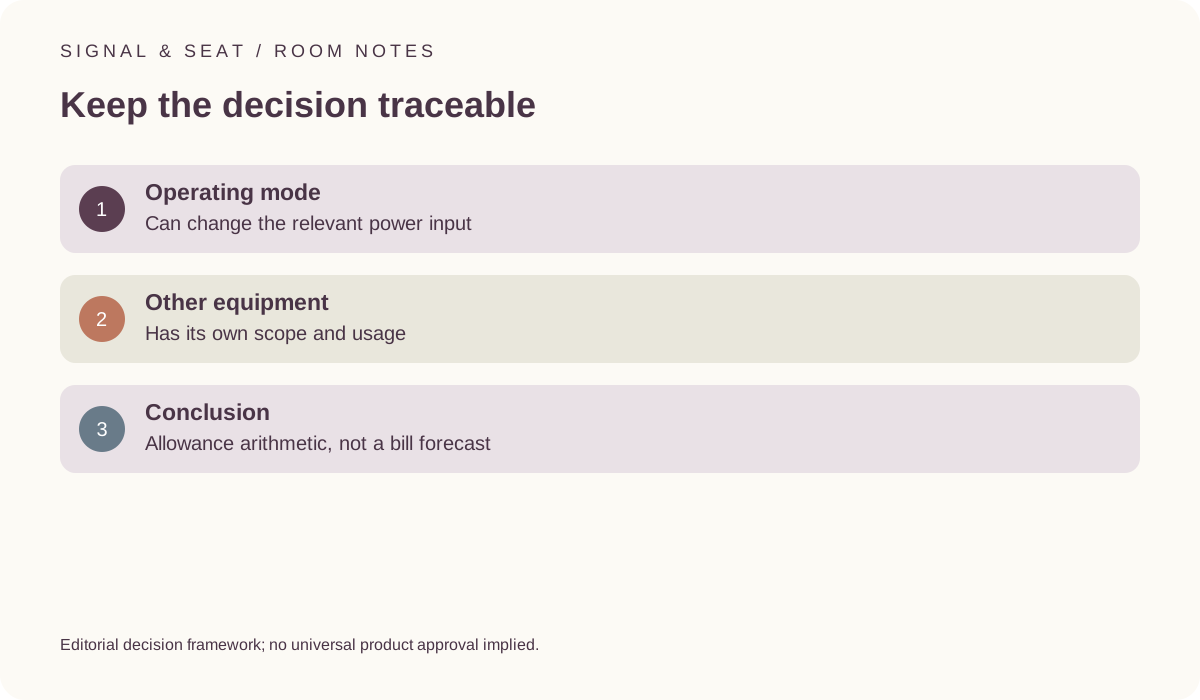
Retain the power source, time assumptions, tariff input and calculation date. Use the household’s actual applicable rate when making a real budget, and keep any uncertainty visible. A later tariff or usage change affects the arithmetic; it does not prove that the equipment itself performed differently.
The useful result is a labelled allowance that another reader can reproduce. It should not become a claim of measured efficiency, guaranteed savings or a current retail energy rate. Keep this recurring-energy scenario separate from the initial equipment and installation figures in the setup-budget tool, whose reserve is another expressly declared assumption.