Buying & budgets
Write a home AV buying brief
Name the viewing or listening task, measure the room and preserve the full signal path before comparing feature lists.
Read the guideName the viewing or listening task, measure the room and preserve the full signal path before comparing feature lists.
Read the guide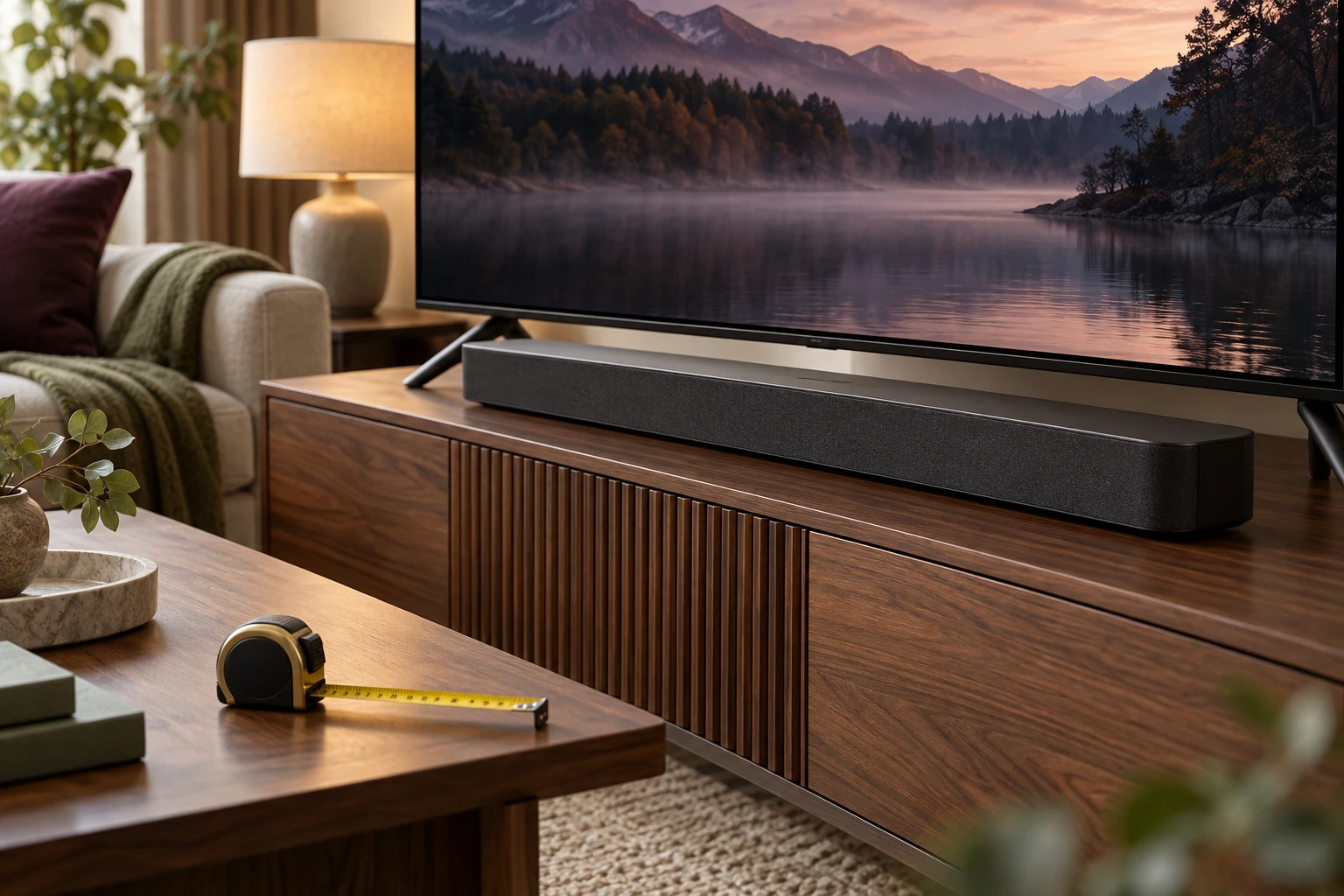
Keep the soundbar body, required operating space and the television’s own requirements separate.
Read the guide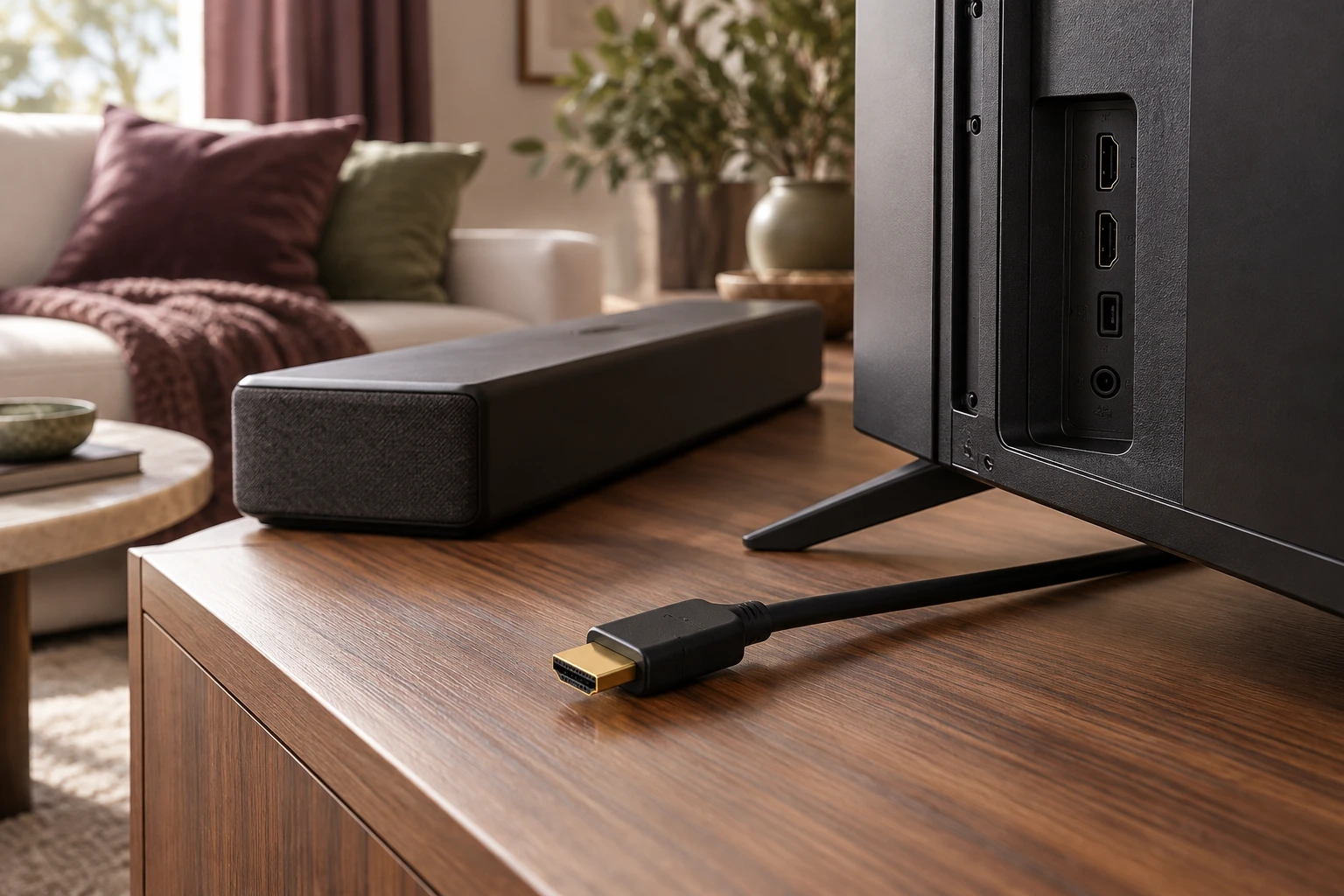
Identify the exact television port, audio device, supported formats and settings rather than relying on an HDMI-shaped socket.
Read the guide
Compare complete documented arrangements for the same listening task, not a bar against a pair of boxes without their dependencies.
Read the guide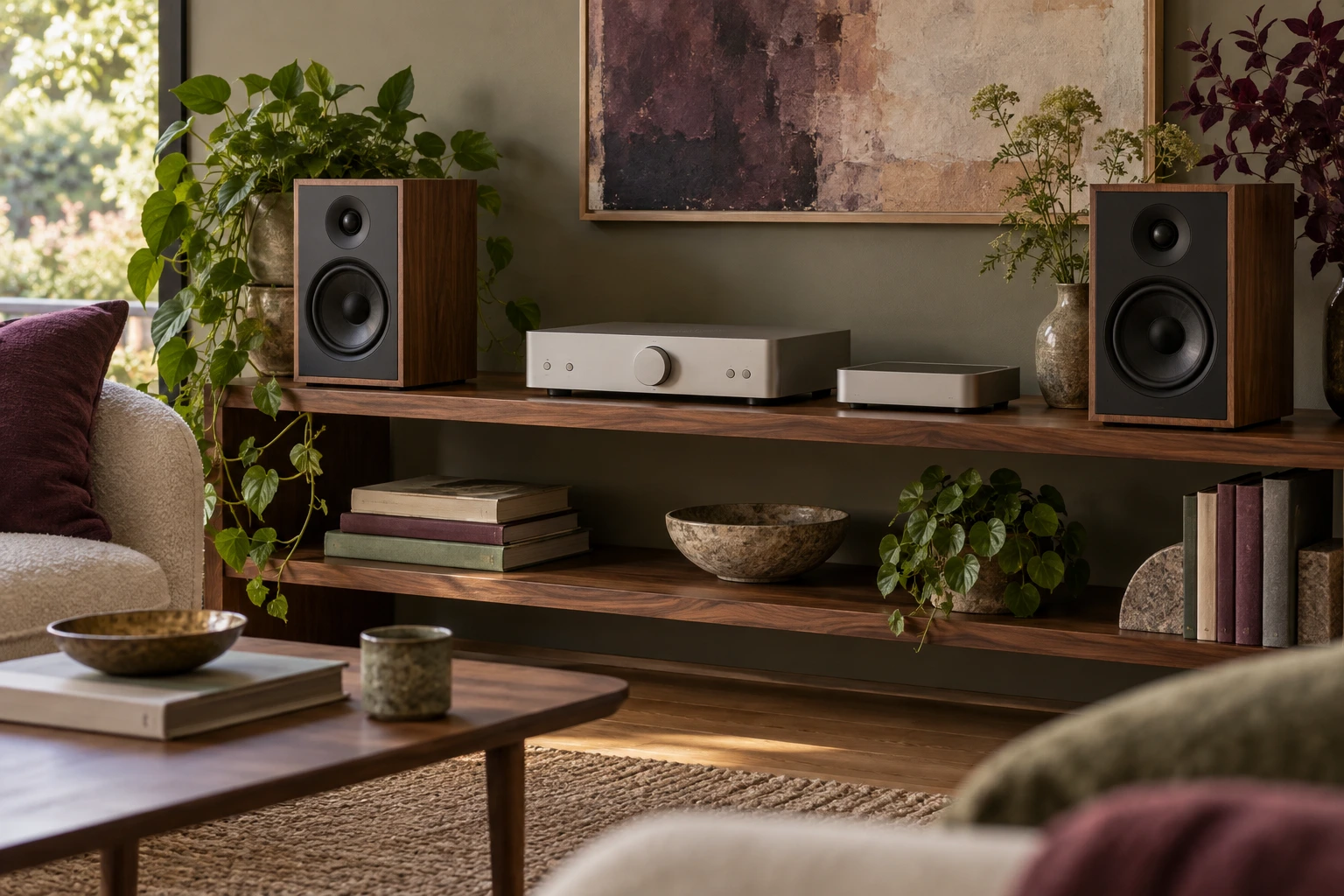
Identify the exact source, amplification, power, network and control requirements before treating a speaker purchase as a complete system.
Read the guide
Keep content, source output, television handling and the receiving audio device together when reviewing a format claim.
Read the guide
Use the same equipment, accessory and agreed-work scope for each quote, with any reserve clearly identified as your own assumption.
Read the guide
Use declared power, time and tariff assumptions without presenting the result as a measured bill or a current UK energy price.
Read the guide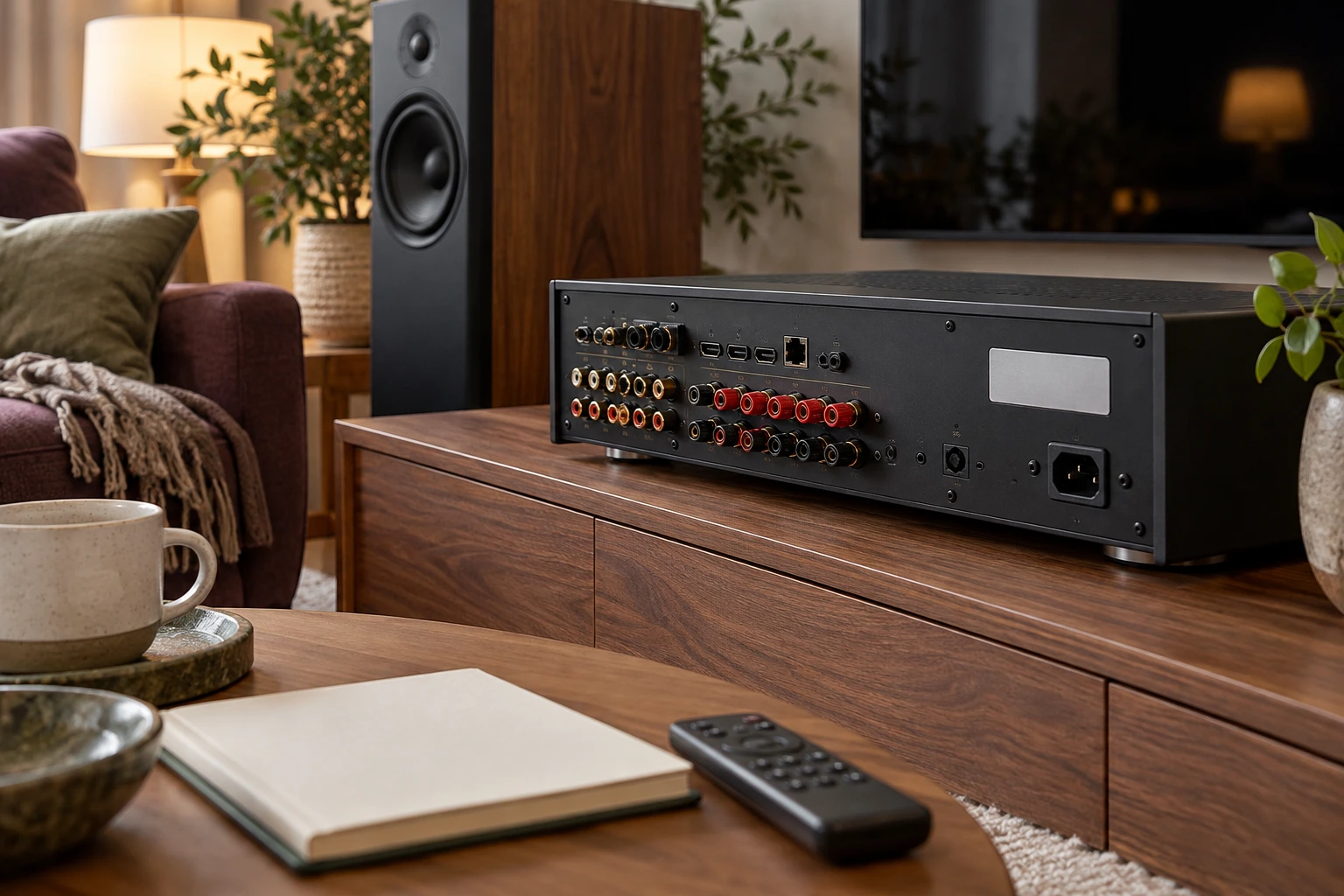
Preserve the exact regional model, relevant manual and observed software information without treating appearance as support evidence.
Read the guide
Keep the actual seller’s purchase-channel conditions, the product warranty and the bundle contents in different records.
Read the guide
Use the exact television’s dimensions and the applicable furniture and operating requirements as different records.
Read the guide
Keep image dimensions, the actual seat and room preferences separate from claims that one diagonal is ideal for everyone.
Read the guide
Review the actual source, input, settings and content before treating a display feature badge as an end-to-end result.
Read the guide
Keep packaged dimensions, the agreed delivery service and the eventual equipment location in separate records.
Read the guide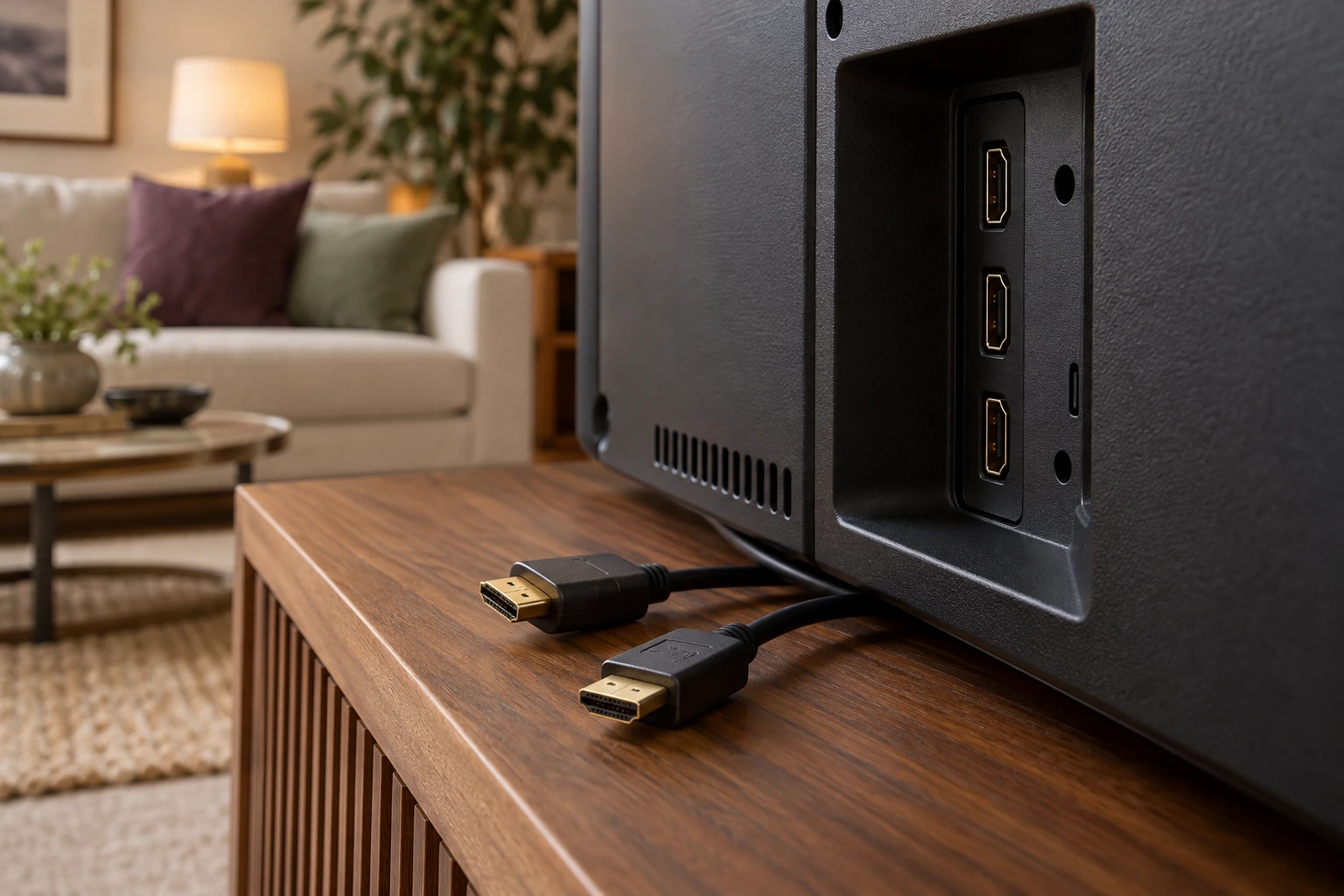
Count the actual socket roles and intended source paths rather than treating every HDMI-shaped connection as interchangeable.
Read the guide
Preserve the official cable-category and certification information without treating it as proof of every connected device’s capabilities.
Read the guide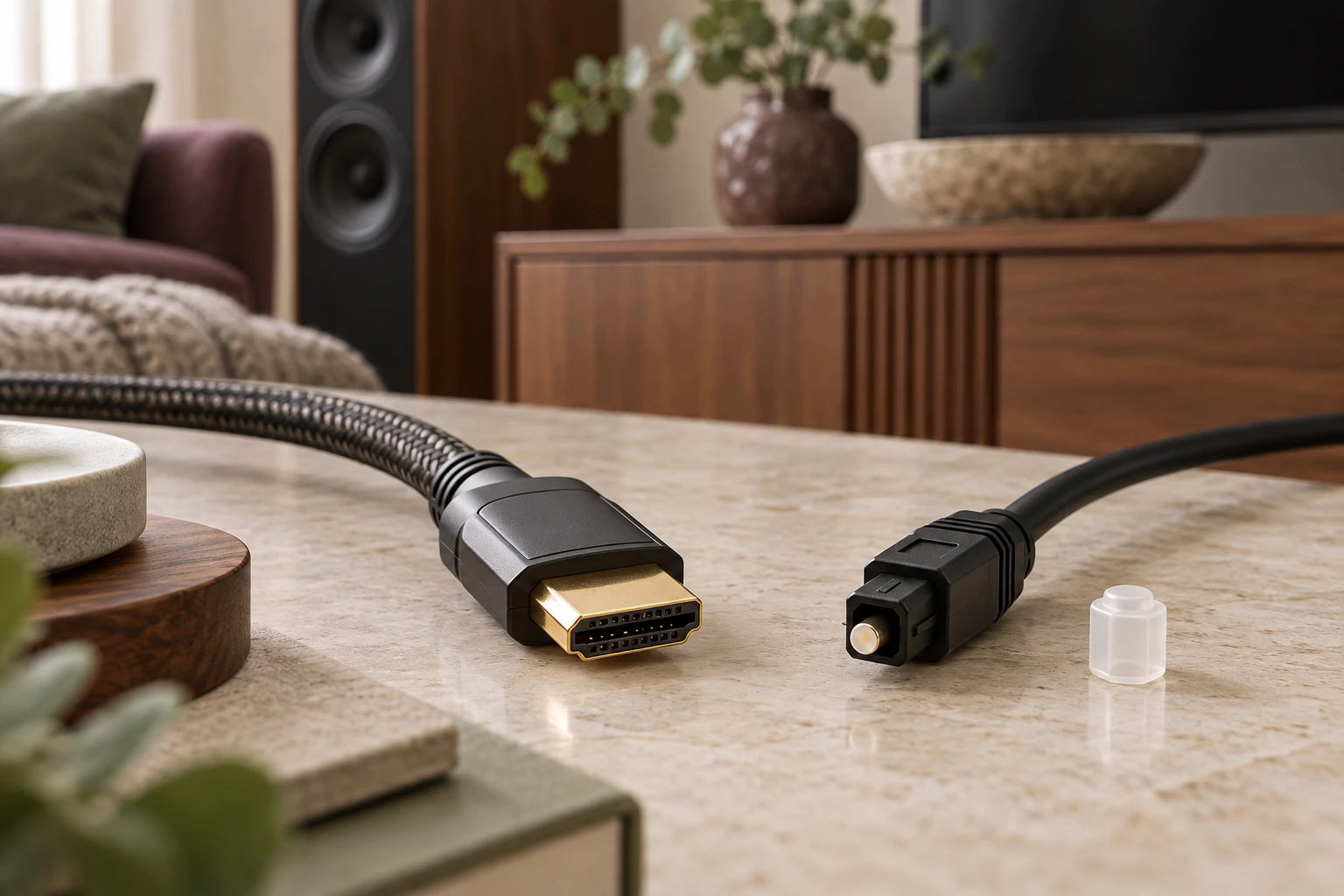
Review exact outputs, receiving-device requirements and format conditions instead of assuming two connection options are equivalent.
Read the guide
Multiply declared image width and ratio, then return to the exact manufacturer’s tables and conditions for the actual decision.
Read the guide
Keep the intended viewing conditions and the exact model’s stated modes separate from a headline brightness number.
Read the guide
Use explicit image dimensions and the actual model’s tables instead of treating a diagonal or aspect label as the complete room plan.
Read the guide