Review the room before comparing projector brightness
Keep the intended viewing conditions and the exact model’s stated modes separate from a headline brightness number.
Updated:
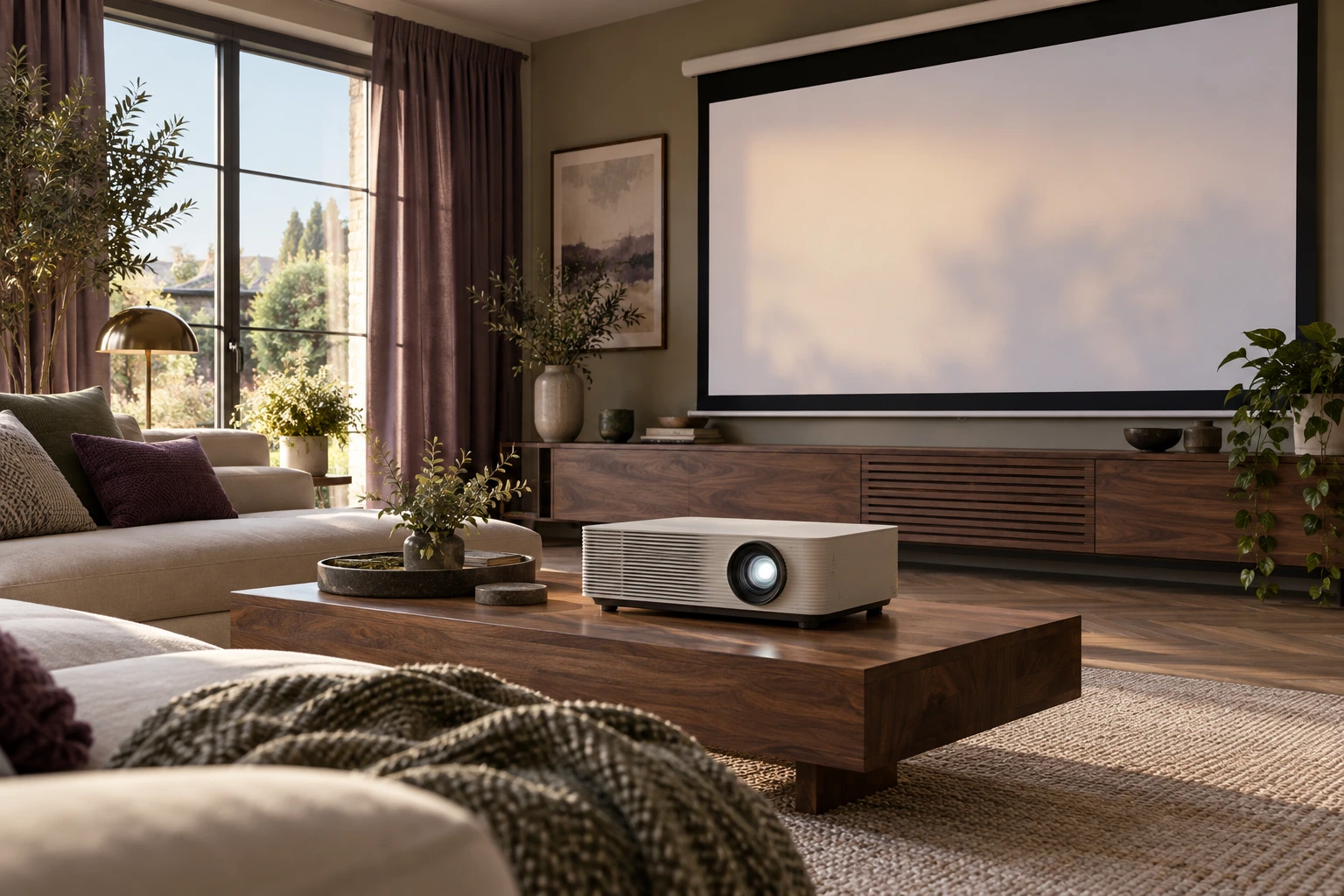
Describe the actual viewing routine
Before comparing brightness claims, record when the household expects to watch and what the proposed room arrangement is. Keep the image size, source material and conditions you actually intend to use in the review. A headline number alone does not establish the picture seen in an unidentified room, and our guide does not provide a measured comparison of projectors.
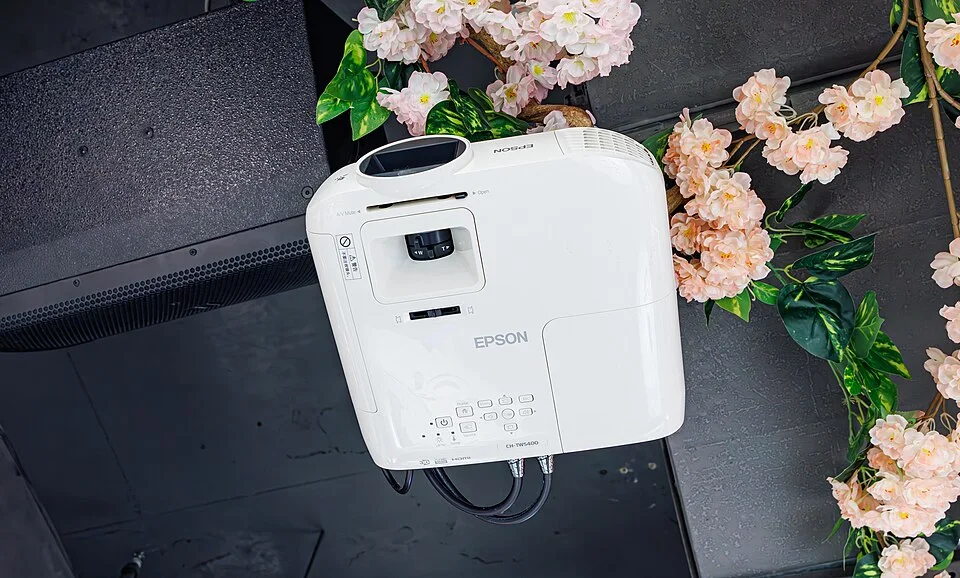
The CH-TW5400 photograph is archival physical context. It is not the EH-TW7100 in the source manual and does not demonstrate brightness, contrast or an appropriate domestic installation. A photograph of equipment in one setting cannot substitute for a review of the actual product and intended use.
Use a routine example without treating it as performance data
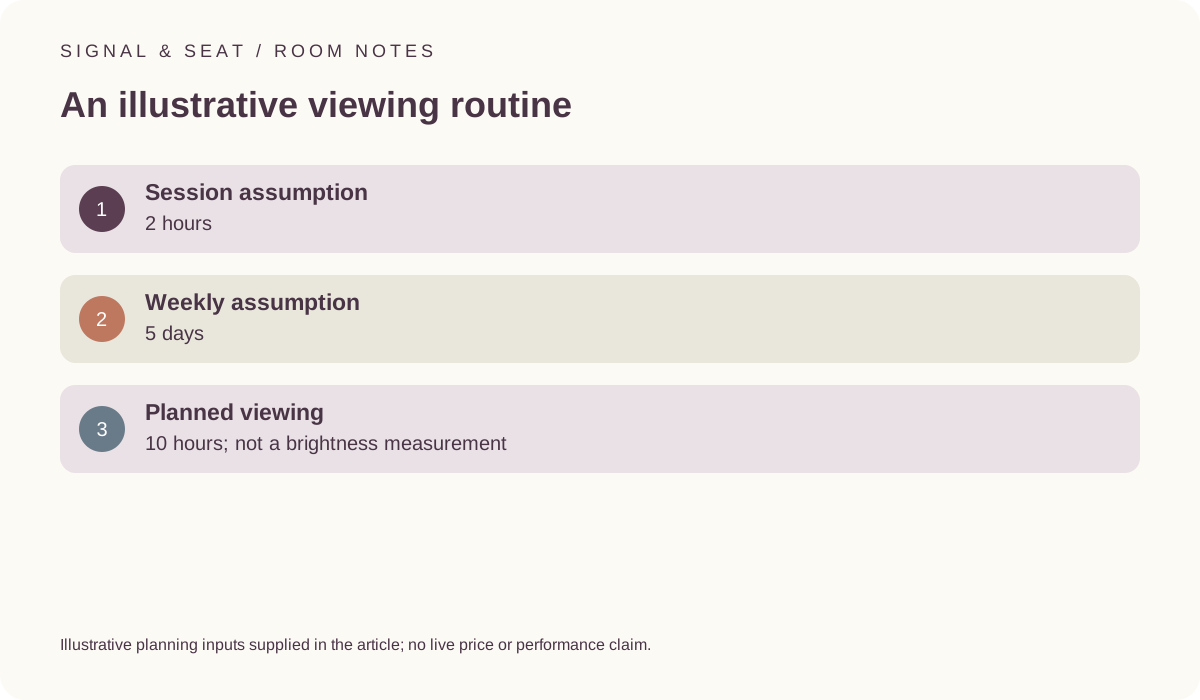
Suppose an illustrative plan contains 2 hours of viewing on each of 5 days. That is 10 hours of planned weekly use. These are invented routine inputs, not measured lamp use, an energy result or a brightness test. They help identify when the room conditions need to be considered, rather than establishing how a particular projector performs.
Keep observations from different intended viewing circumstances distinct. Do not turn a single favourable demonstration into a guarantee for every time or source. If relevant conditions have not been assessed, record that uncertainty instead of assigning a numerical picture-quality score without evidence.
Preserve the units and stated mode behind a claim
A manufacturer’s brightness figure should remain with its exact model, units and published conditions. Do not combine the largest figure from one mode with another mode’s claimed picture attributes as though they necessarily occur together. If two sources describe different measurements, preserve the difference rather than assuming their numbers are directly equivalent.
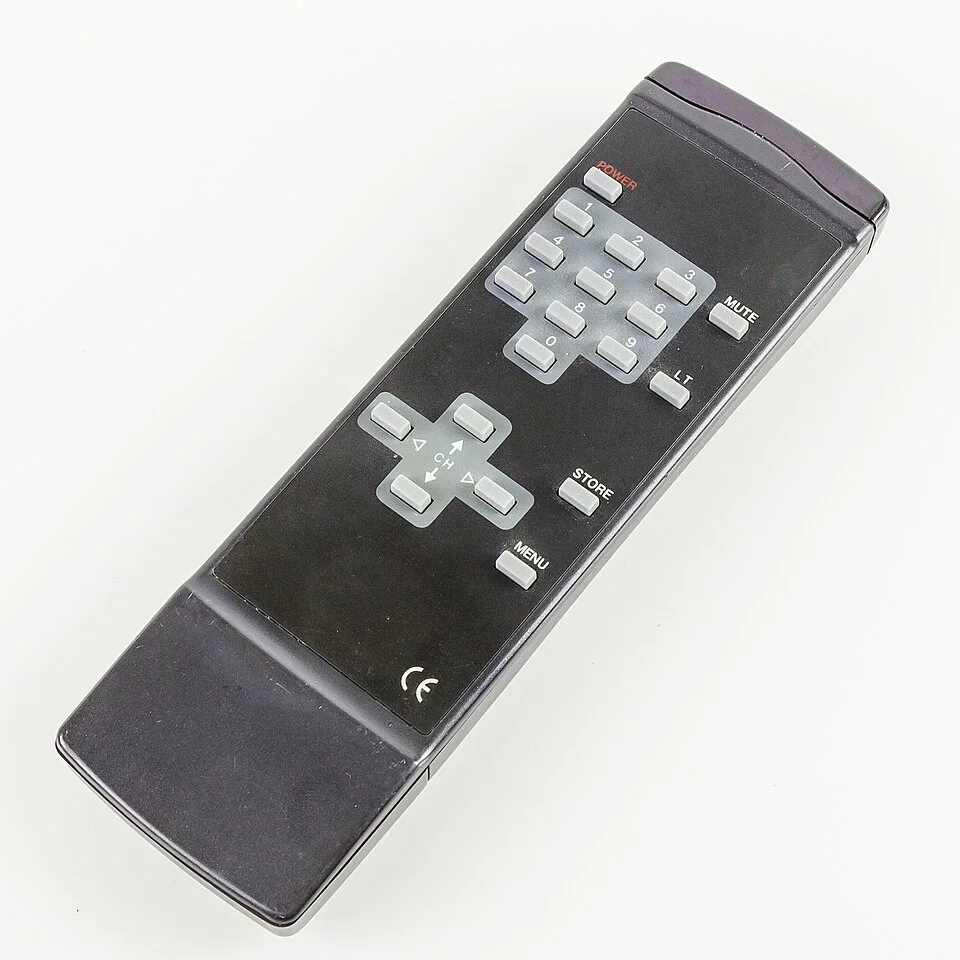
The official Epson manual contains model-specific operating and picture information. Use the applicable document to understand the candidate rather than transferring a setting or specification from a similar product. The remote-control photo cannot establish which modes the actual model offers or how those modes appear in your room.
Epson EH-TW7100/EH-TW7000 official user guide ?
Keep image geometry and operating space in the review
The intended image and the projector body have their own requirements. A nominal throw calculation does not establish the entire room arrangement, and a brightness claim cannot resolve an uncertain distance, ventilation or installation condition. Retain the manufacturer’s tables and operating instructions with the candidate. This article provides no mounting or electrical-work procedure.
The UK Epson support route is an example of where to identify the relevant manual and model information. Keep the actual source date and revision where available. If an important property condition requires an appropriate assessment, preserve it rather than allowing a prominent specification to make the setup look settled.
Epson UK EH-TW7100 support and manuals ?
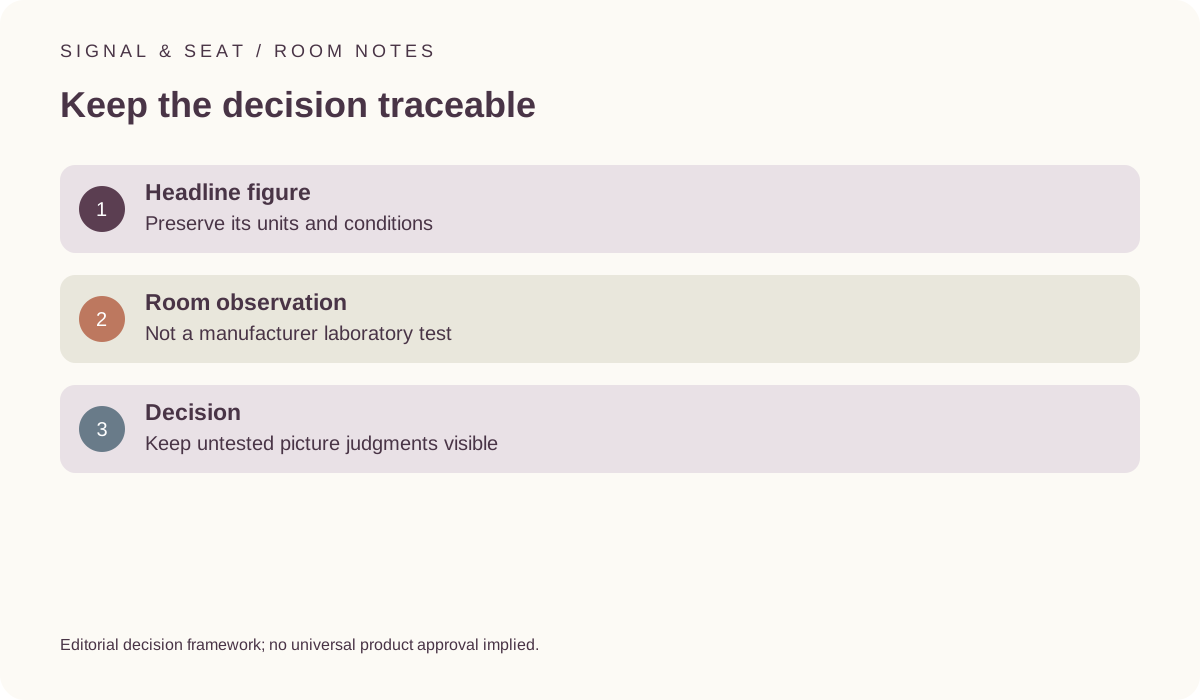
Compare with an honest statement of what is untested
Distinguish manufacturer statements, any actual demonstration and your own later observations. The archived television’s dark screen is not an image-quality comparison with projection and should not be read as one. A buying record can be useful without claiming that every display has been tested in the same room.
The final shortlist should explain the intended use, relevant documented conditions and any unresolved visual judgment. It should not promise an ideal picture, guaranteed comfort or superior performance from a headline brightness number alone. Revisit the record if the room, source or image size changes rather than treating the old comparison as universally applicable.